My Services
General Surgery
General surgery is a versatile and essential medical specialty that addresses a wide range of conditions requiring surgical intervention. It covers procedures involving the abdomen, gastrointestinal tract, endocrine system, and soft tissues, as well as trauma care and certain types of cancer surgeries. General surgeons are skilled in both open and minimally invasive techniques, including laparoscopic and robotic-assisted surgeries, ensuring personalized care tailored to each patient’s needs. With a focus on precision, safety, and optimal outcomes, general surgery plays a vital role in improving patient health and enhancing recovery through evidence-based practices and advanced technologies.
Oncology Surgery (Cancer Surgery)
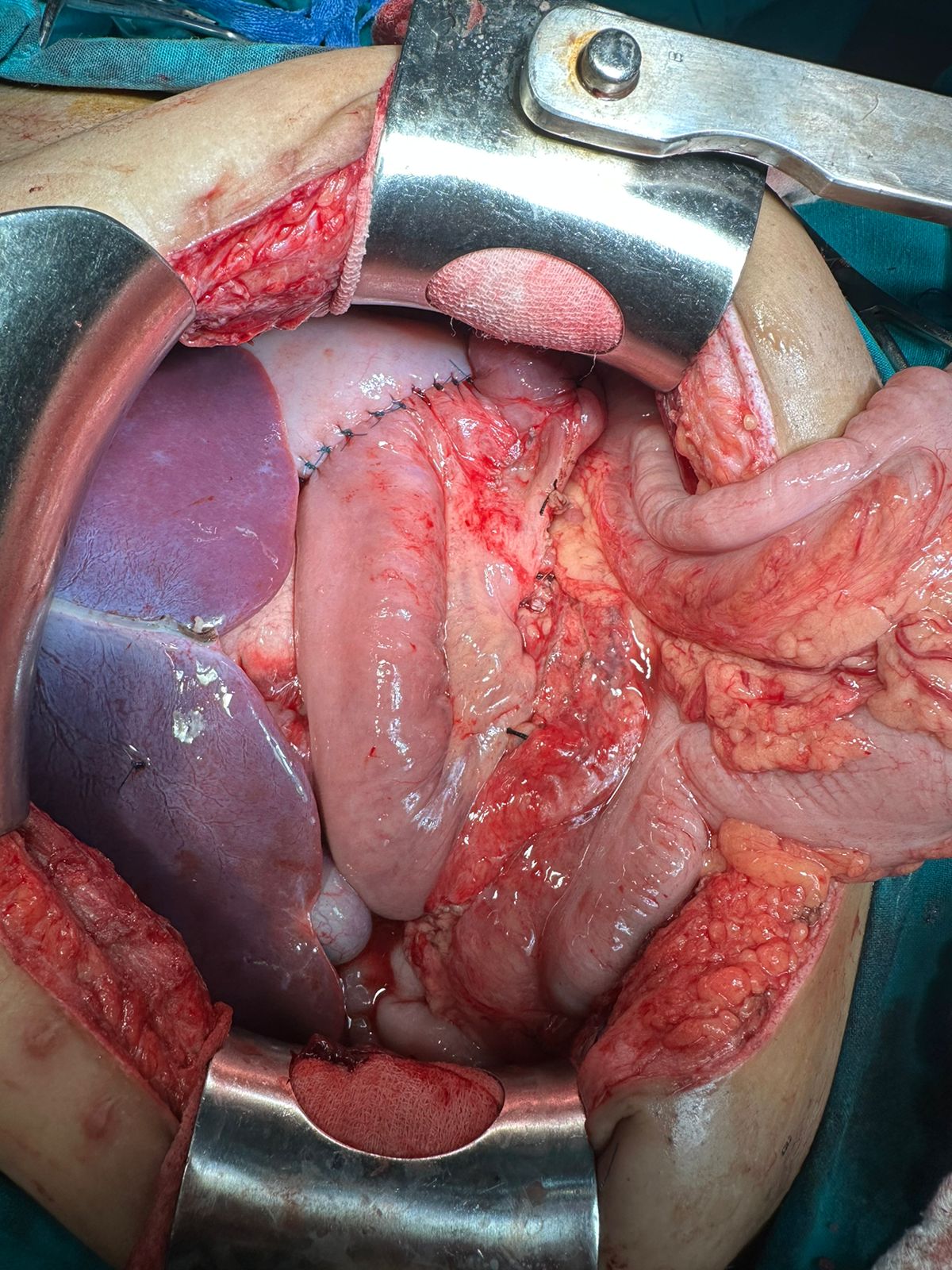
Cancer surgery is a critical component of cancer treatment, aimed at removing tumors and surrounding tissues to prevent the spread of the disease. These procedures are tailored to the type, stage, and location of cancer and may include minimally invasive techniques like laparoscopic or robotic surgery for faster recovery and reduced complications. Common cancer surgeries involve organs such as the breast, colon, liver, pancreas, and thyroid.
In addition to the removal of malignant tissues, cancer surgeries often encompass reconstructive procedures to restore the appearance and function of affected areas. Our expert surgical team collaborates closely with oncologists, radiologists, and other specialists to develop comprehensive, personalized treatment plans tailored to each patient's unique needs. Utilizing the latest advancements in surgical technology, including robotic-assisted systems and enhanced imaging techniques, we strive for the highest level of precision while minimizing the impact on the patient's overall health.
Post-operative care is integral to the recovery process, featuring thorough monitoring, effective pain management, and rehabilitation services to ensure a smooth and speedy return to daily activities. Our compassionate approach ensures that patients receive not only exceptional medical care but also emotional and psychological support throughout their cancer journey. By prioritizing patient-centered care and leveraging innovative surgical solutions, our cancer surgery services play a pivotal role in improving survival rates and enhancing the quality of life for those battling cancer.
Laparoscopic Minimally Invasive Surgery
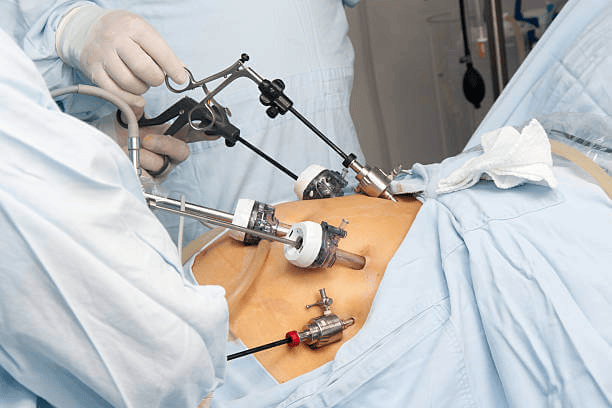
Laparoscopic minimal invasive surgery has revolutionized modern healthcare by providing advanced solutions for various abdominal and pelvic conditions. This technique involves inserting specialized instruments through tiny incisions, allowing surgeons to visualize and operate with high precision. It is commonly used for procedures such as gallbladder removal, hernia repairs, bowel resections, and gynecological surgeries. Patients benefit from reduced postoperative discomfort, lower risk of infection, faster recovery times, and minimal scarring. With its focus on safety and efficiency, laparoscopic surgery represents a cornerstone of patient-centered surgical care.
Hepatobiliary Surgery
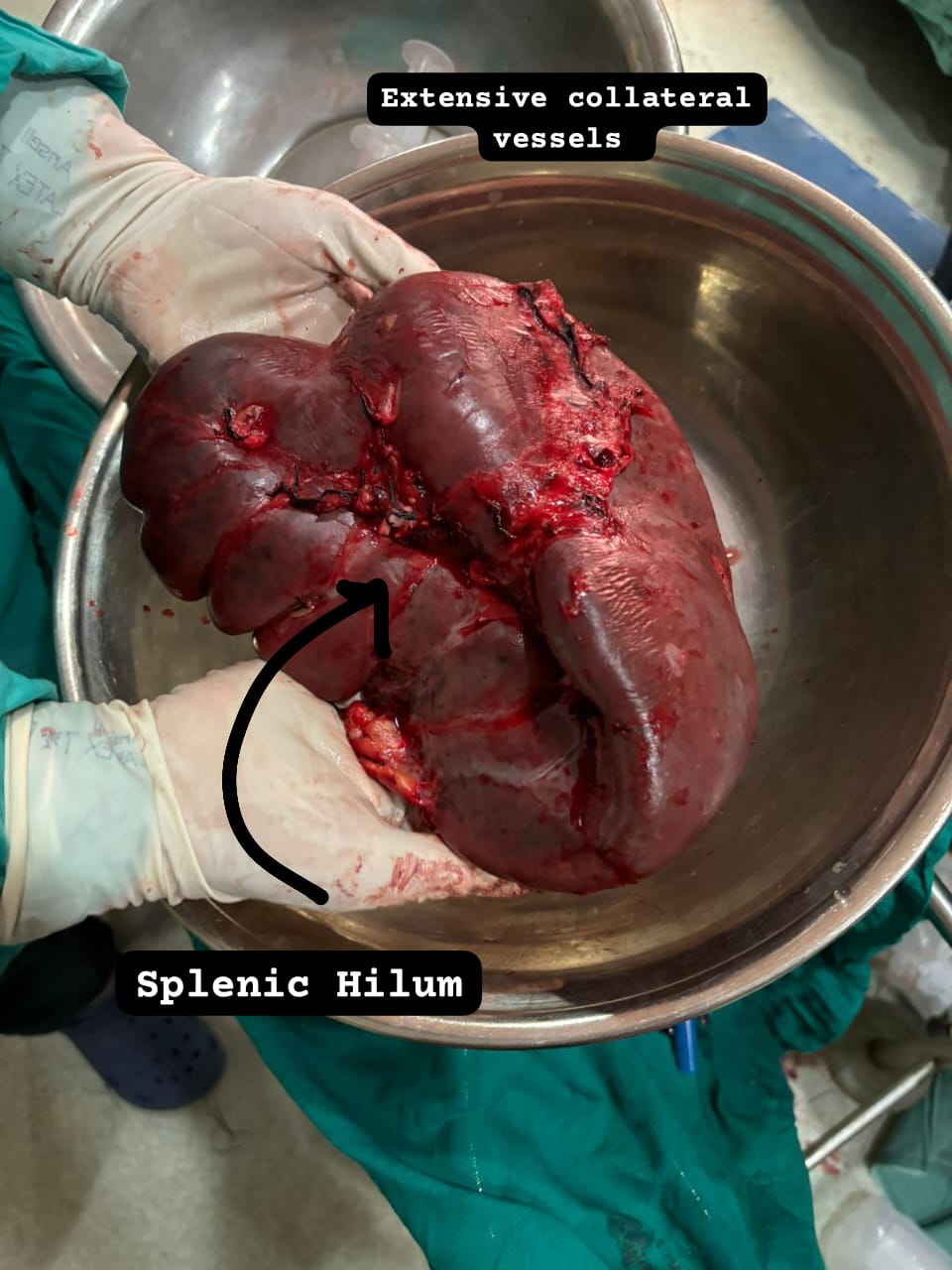
Hepatobiliary surgery specializes in the diagnosis and treatment of conditions affecting the liver, bile ducts, and gallbladder. This includes managing complex diseases such as liver tumors, bile duct obstructions, gallstones, and cysts. Utilizing advanced techniques like laparoscopic and robotic-assisted surgery, hepatobiliary procedures aim to minimize complications, improve recovery, and enhance outcomes.
Our team of skilled surgeons provides personalized care, focusing on precision and innovation to address both benign and malignant conditions. Whether through minimally invasive approaches or traditional open surgeries, hepatobiliary surgery ensures the highest standards of patient care and long-term health.
Breast Surgery
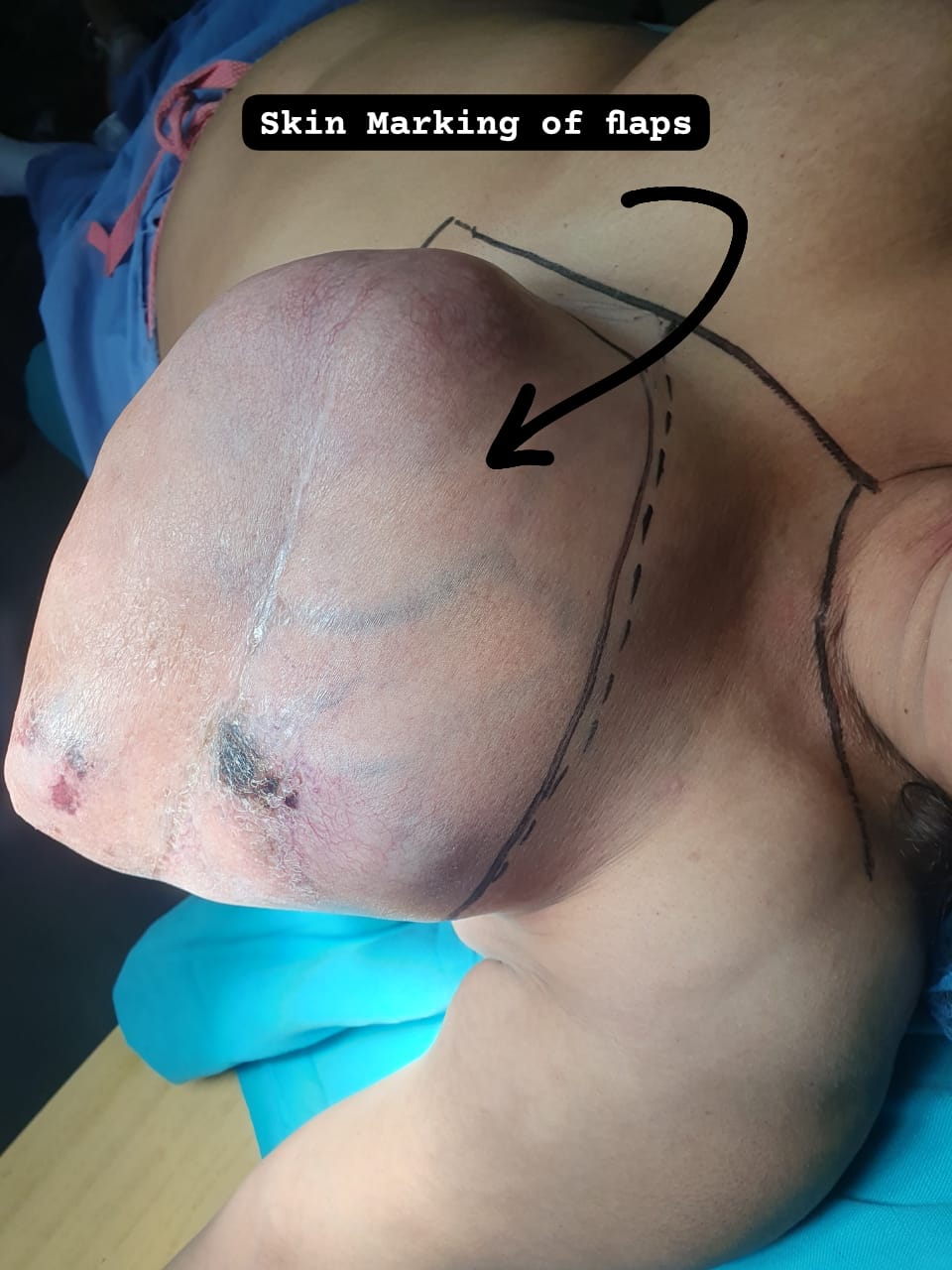
Breast cancer surgery is a crucial treatment option aimed at removing cancerous tissue while preserving as much healthy tissue as possible. The two main types are lumpectomy, which removes only the tumor and some surrounding tissue, and mastectomy, which involves removing the entire breast. In some cases, lymph node surgery, such as a sentinel lymph node biopsy or axillary lymph node dissection, is performed to determine if cancer has spread.
Depending on the patient’s preferences and medical condition, breast reconstruction using implants or natural tissue can be an option after mastectomy. Surgery is often combined with other treatments like radiation, chemotherapy, or hormone therapy to reduce the risk of recurrence.
Thyroid Surgery
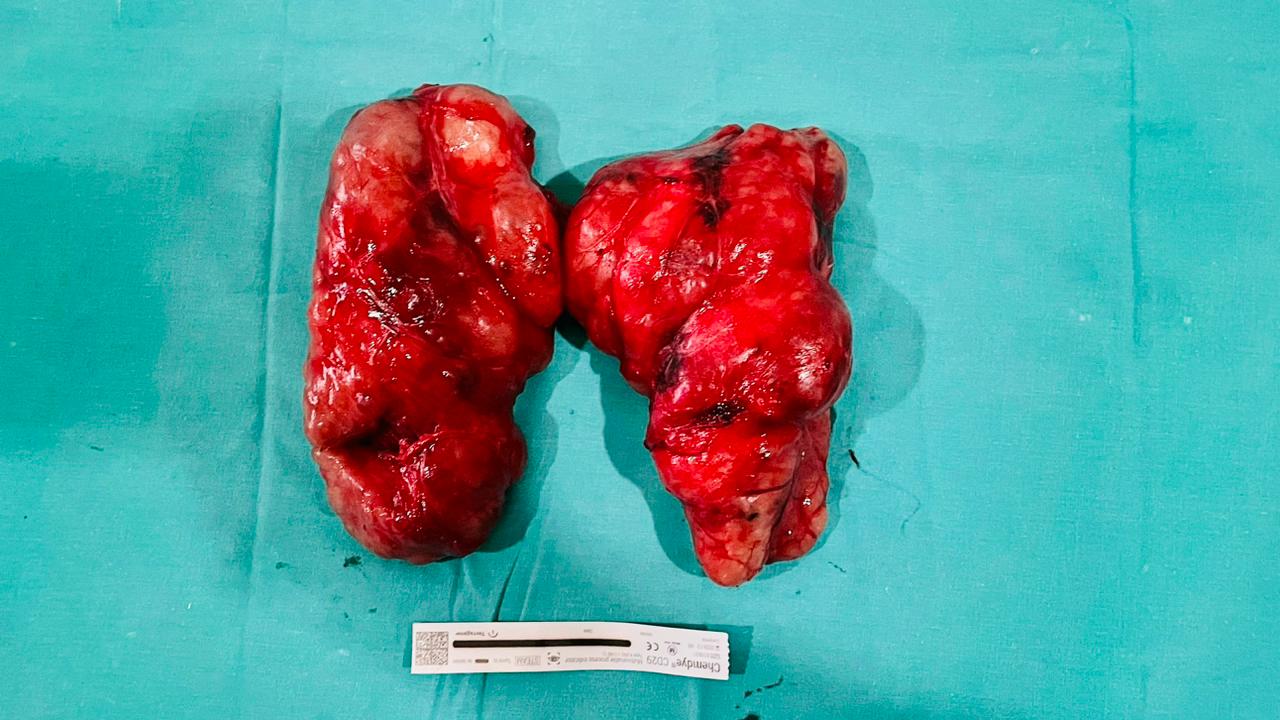
Thyroid surgery, also known as a thyroidectomy, is a procedure to remove part or all of the thyroid gland, usually to treat thyroid cancer, goiter, or hyperthyroidism. The surgery can be partial (lobectomy), where only one lobe of the thyroid is removed, or total thyroidectomy, where the entire gland is removed.
In cases of thyroid cancer, nearby lymph nodes may also be removed to prevent the spread of cancer. Surgeons aim to preserve important structures like the parathyroid glands and nerves controlling the vocal cords to minimize complications. After surgery, some patients may require lifelong thyroid hormone replacement therapy to maintain normal metabolic function.
Colorectal Surgery
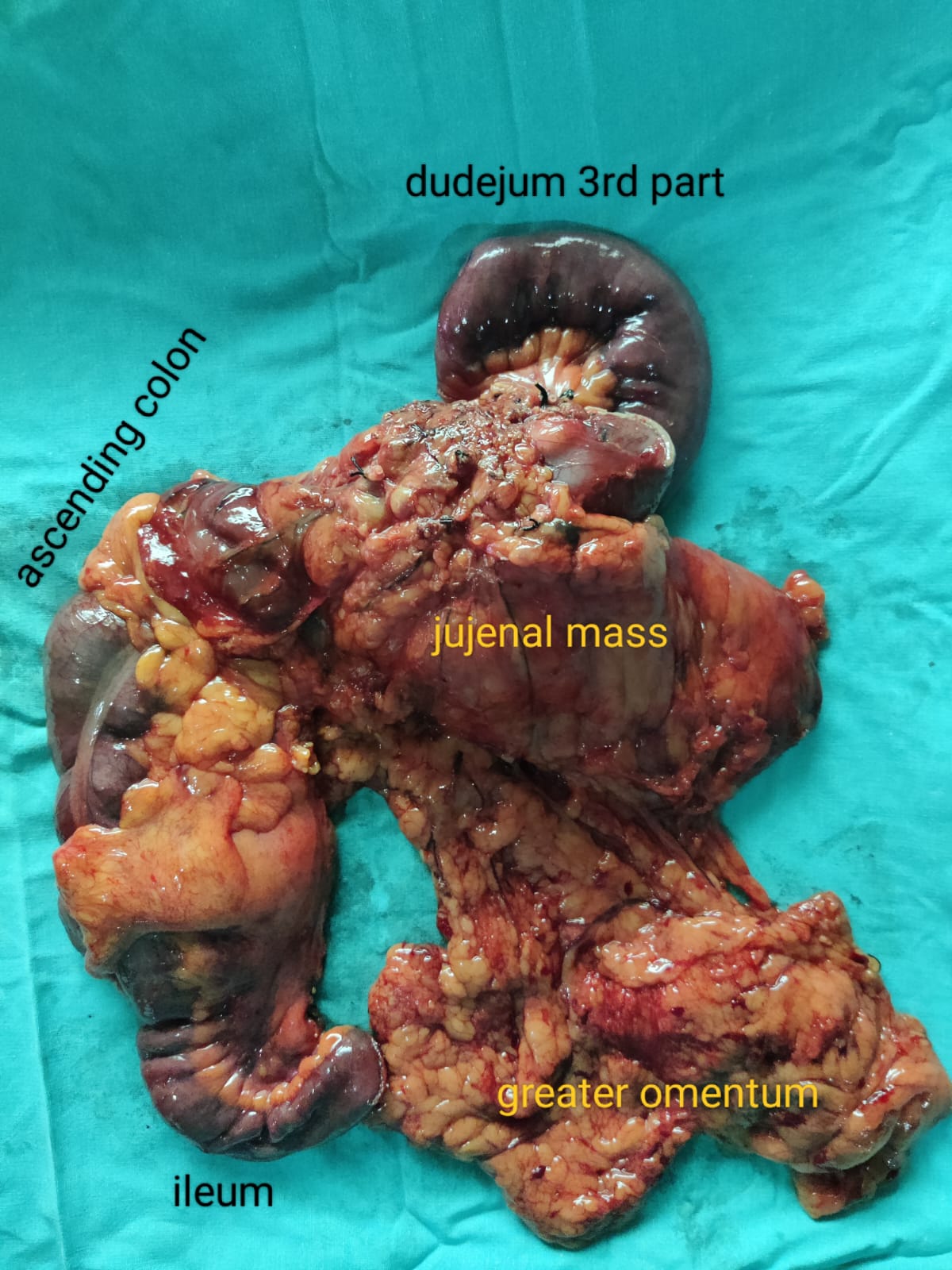
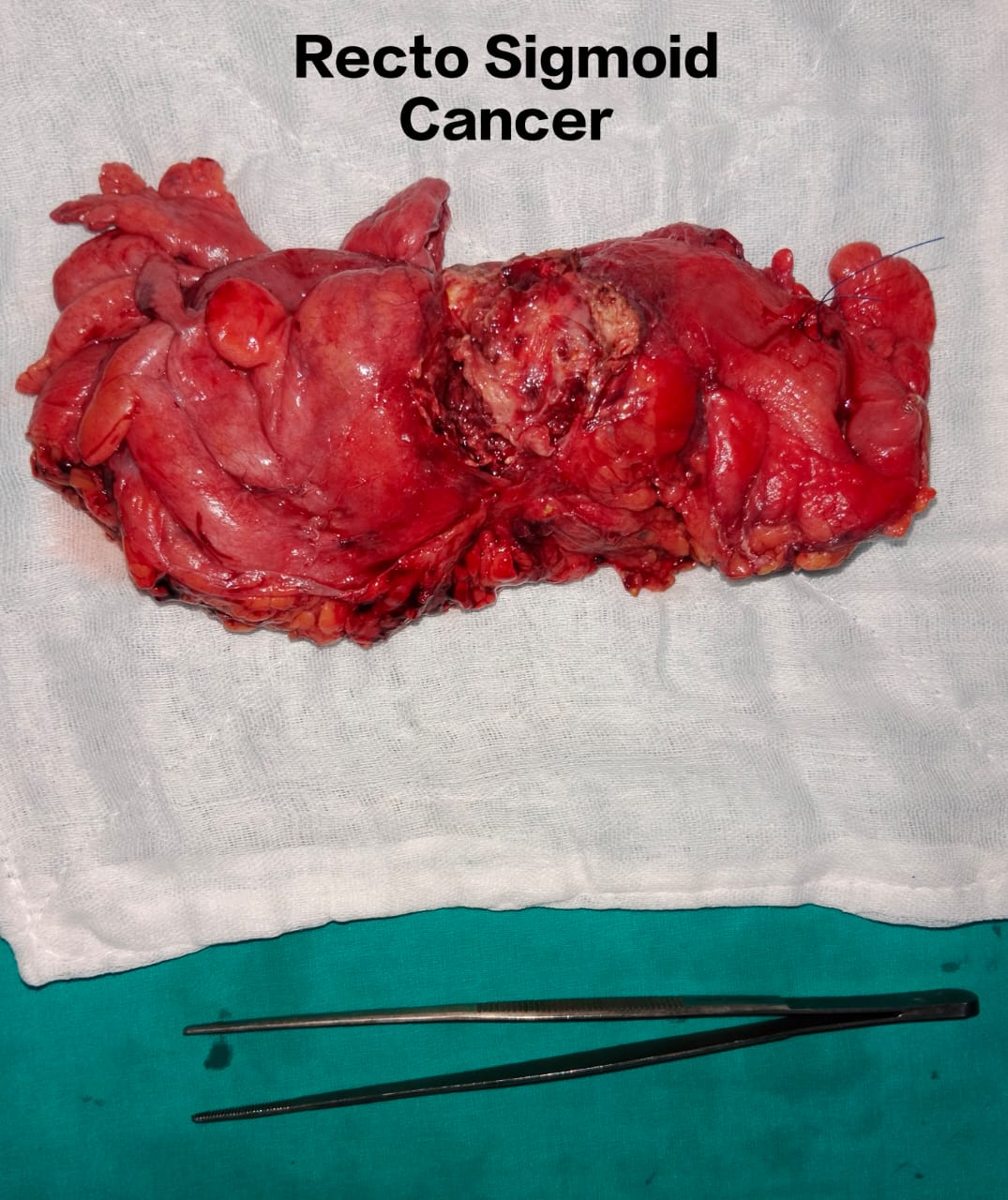
Colorectal surgery is a procedure to treat diseases of the colon, rectum, and anus, including colorectal cancer, polyps, diverticulitis, and inflammatory bowel disease. The type of surgery depends on the condition and its severity. A colectomy involves removing part or all of the colon, while a proctectomy focuses on removing the rectum.
In some cases, a colostomy or ileostomy may be necessary to create an opening for waste elimination. Minimally invasive techniques, such as laparoscopic and robotic-assisted surgery, help reduce recovery time and complications. Colorectal surgery is often combined with chemotherapy or radiation for cancer treatment, ensuring better outcomes and improved quality of life.
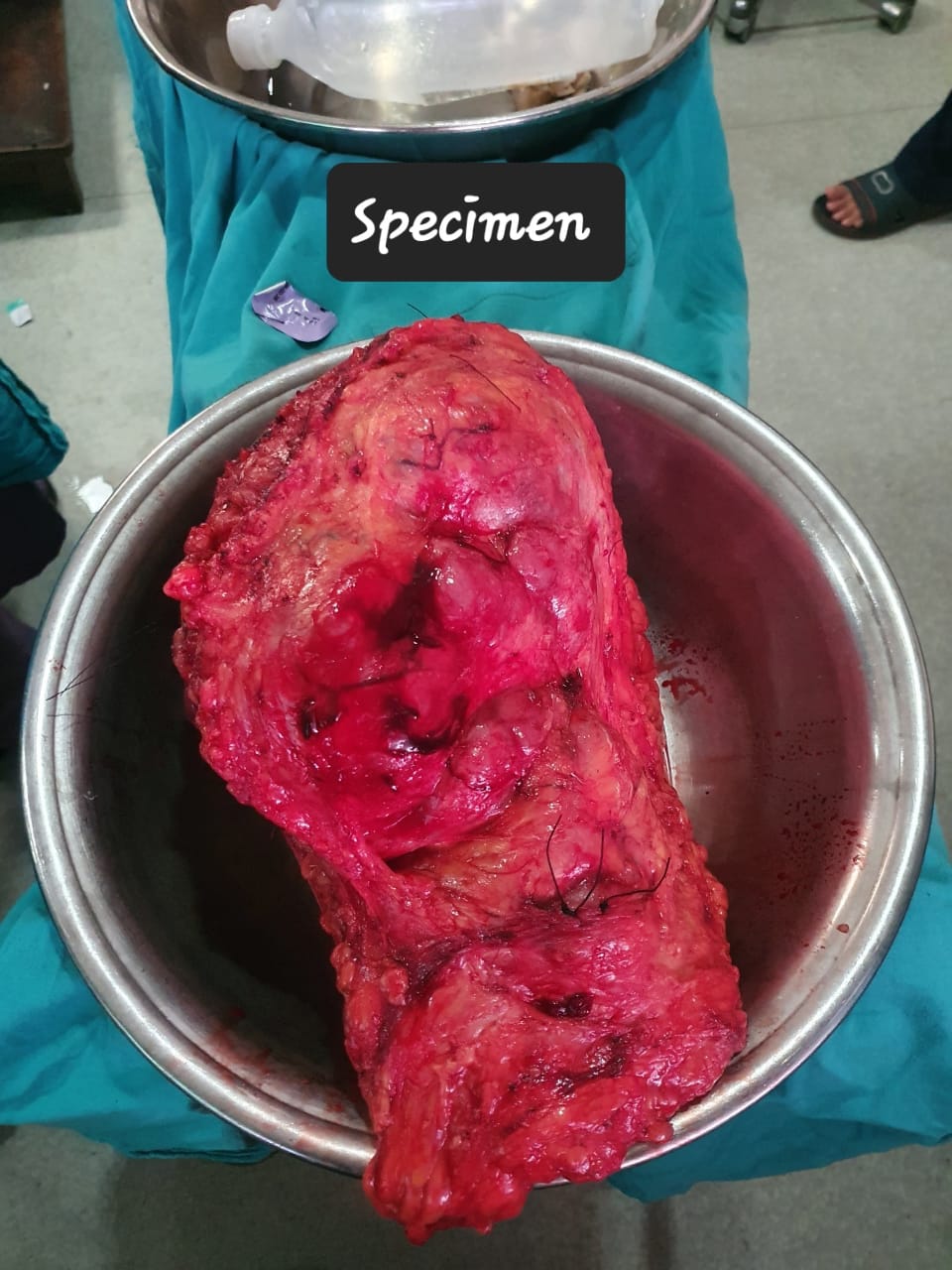
Soft Tissue Tumor Excision
Soft tissue tumor excision is a surgical procedure to remove tumors that develop in the muscles, fat, tendons, nerves, and other soft tissues of the body. These tumors can be benign (non-cancerous) or malignant (soft tissue sarcomas). The goal of surgery is to completely remove the tumor with a margin of healthy tissue to prevent recurrence while preserving function and appearance.
In some cases, minimally invasive techniques may be used, and if the tumor is cancerous, additional treatments like radiation or chemotherapy might be necessary. The complexity of the procedure depends on the tumor's size, location, and involvement with surrounding structures.